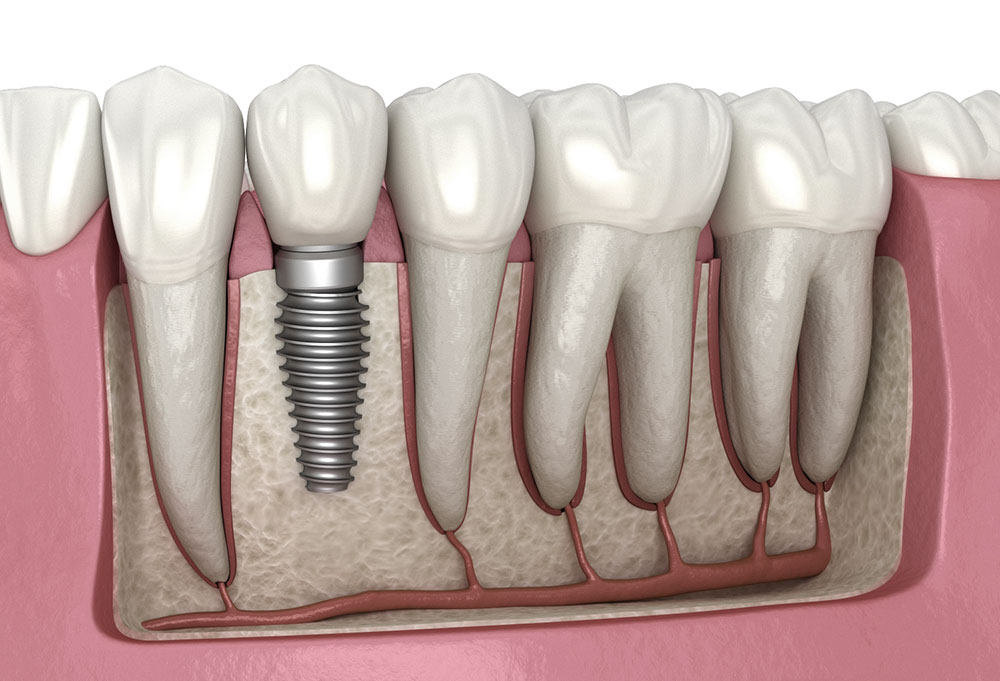
Illustrative diagram of a dental implant: titanium fixture, abutment and porcelain crown | Source: Wikipedia
Dental Implants Geneva: The Complete Guide for 2026
Everything you need to know about getting dental implants in Geneva, Switzerland. Real CHF prices, the full step-by-step procedure, titanium vs zirconia, All-on-4 vs single implants, success rates, Swiss insurance coverage, and how to choose the right specialist. Written for patients, not marketers.
What Exactly Is a Dental Implant?
A dental implant is a small screw-shaped fixture -- usually made of medical-grade titanium -- that is surgically placed into the jawbone to replace the root of a missing tooth. Once the bone has grown around the implant (a biological process called osseointegration), it acts as a permanent anchor for a replacement tooth, bridge, or full set of dentures.
Every modern dental implant is made of three parts that work together:
| Component | Material | Function |
|---|---|---|
| Fixture (the "implant") | Titanium or zirconia | Acts as the artificial tooth root, fuses with the jawbone |
| Abutment | Titanium or zirconia | Connector that screws onto the fixture above the gum line |
| Crown / Prosthesis | Porcelain, zirconia or PMMA | The visible tooth that does the chewing |
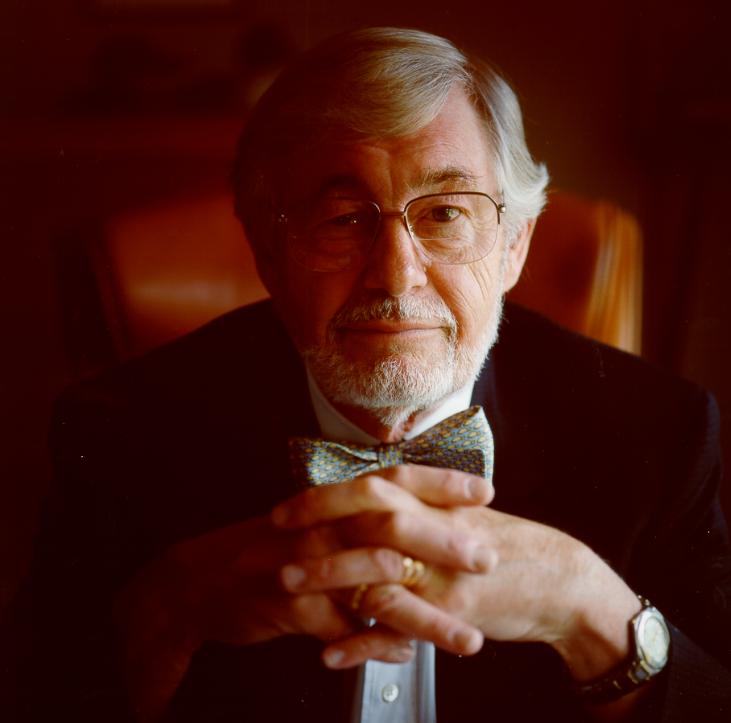
The idea of replacing teeth with foreign materials is ancient (the Mayans used shells around 600 AD), but the modern titanium implant has a distinctly Swedish origin. In 1952, orthopedic surgeon Per-Ingvar Brånemark was studying bone blood flow in rabbits using titanium chambers. At the end of the experiment, he discovered the bone had fused so thoroughly to the titanium that he could not remove the chambers. He named this phenomenon osseointegration. In 1965, he placed the first modern titanium implants in a human patient, Gösta Larsson, who would keep them until his death 40 years later.
Switzerland played a decisive role in the next chapter. In the mid-1970s, Dr. André Schroeder at the University of Bern independently confirmed Brånemark's findings and demonstrated direct bone-to-implant contact histologically. His work led to the foundation of the ITI (International Team for Implantology) and the 1985 launch of the first Straumannimplant system in Basel -- today the world's most-used implant brand and a Swiss export to over 100 countries.
Titanium vs Zirconia: Which Material?
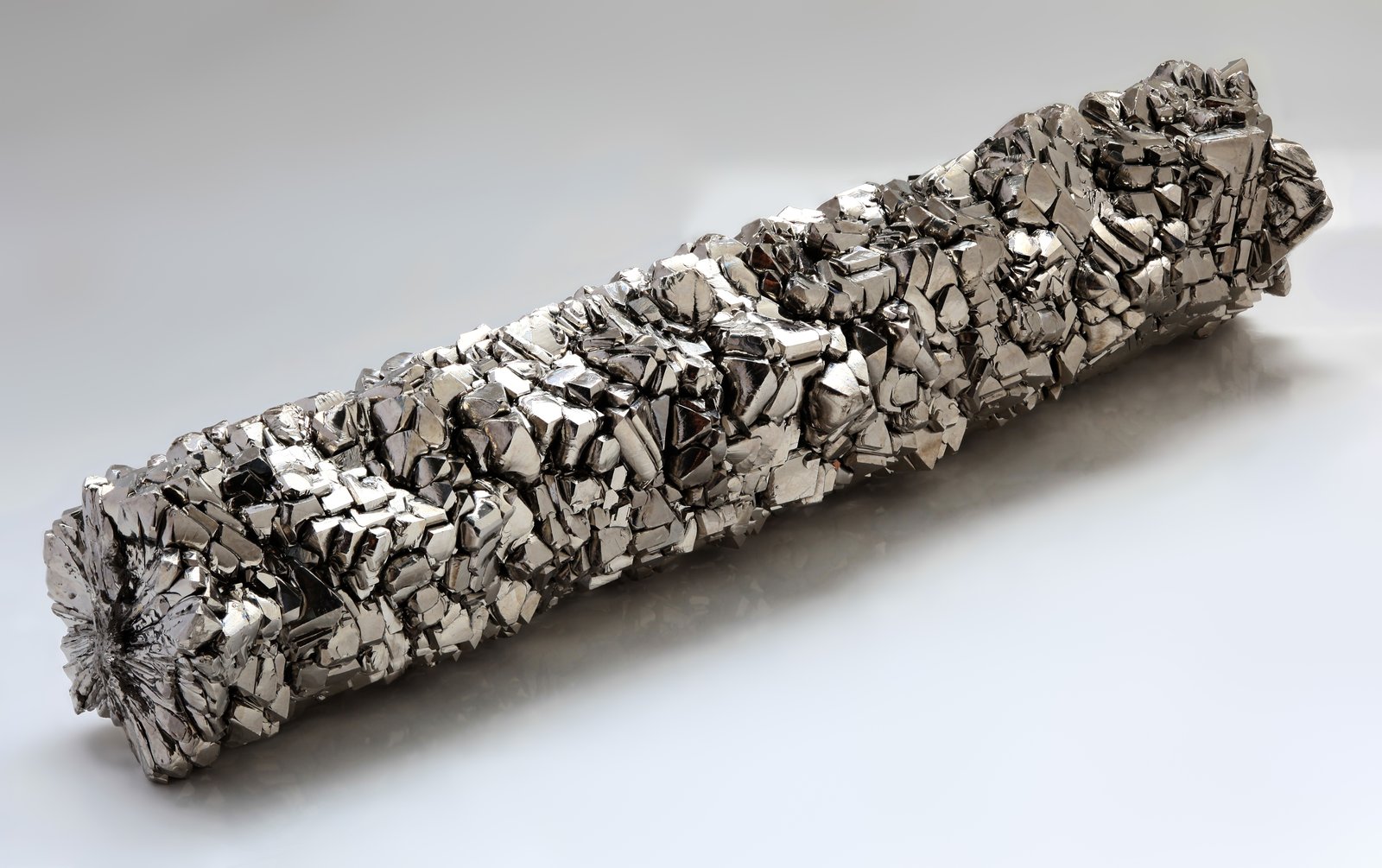
Two materials dominate modern implantology: commercially pure titanium (cpTi Grade 4) or titanium-zirconium alloy (Roxolid, a Straumann proprietary alloy), and zirconium dioxide (ZrO₂, a white ceramic). Both are biocompatible and both work. The right choice depends on your specific case, not marketing.
| Factor | Titanium | Zirconia |
|---|---|---|
| Years in clinical use | 60+ years | ~20 years |
| Colour | Grey (may show at gum line) | White (metal-free aesthetic) |
| Tensile strength | Up to 1,000 MPa (more flexible) | Higher hardness, more brittle |
| Allergy rate | ~0.6% (MELISA test) | Effectively 0% |
| Design options | One or two-piece, angled abutments | Mostly one-piece only |
| 10-year survival | 95-98% | 90-95% (shorter data) |
| Price premium in Geneva | Standard price | +CHF 500-1,500 per implant |
When to choose titanium: for molars and premolars (strength matters more than colour), for complex cases requiring angled abutments, if you need a two-piece implant, or if you want the most documented track record. This is the default choice for 90% of cases worldwide.
When to consider zirconia:for front teeth where aesthetics are critical and the patient has thin gums that might show a grey shadow, for patients with documented titanium allergies (rare), or for patients with certain autoimmune conditions (rheumatoid arthritis, Crohn's disease) who are concerned about metal ion release.
In Geneva, most leading specialists use Straumann titanium or Roxolid implants as their default. Zirconia is offered as a premium option, usually for patients specifically requesting a metal-free solution. Reputable brands like Straumann, Nobel Biocare, Dentsply Sirona (Astra Tech), and Z-Systems (Swiss zirconia) dominate the Swiss market.
The Main Types of Implant Treatment
"Dental implants" is actually an umbrella term covering several very different treatments. The right one depends on how many teeth are missing, the state of your remaining bone, and your budget. Here are the five main options you will encounter in Geneva.
1. Single Tooth Implant
One implant, one abutment, one crown. The gold standard for replacing a single missing tooth without touching the neighbouring teeth (unlike a bridge, which requires grinding down healthy teeth). Can be placed immediately after extraction in many cases.
Price in Geneva: CHF 2,500-4,900 | Treatment time: 2-4 months | Best for: One or two isolated missing teeth
2. Implant Bridge (2-3 implants)
Two or three implants that support a bridge of 3-5 connected crowns. Cost-efficient when you are missing several teeth in a row, because you save on the number of implants needed (three implants can support a five-tooth bridge).
Price in Geneva: CHF 6,000-12,000 | Treatment time: 3-6 months | Best for: 3-5 adjacent missing teeth
3. All-on-4 (Full Arch Rehabilitation)
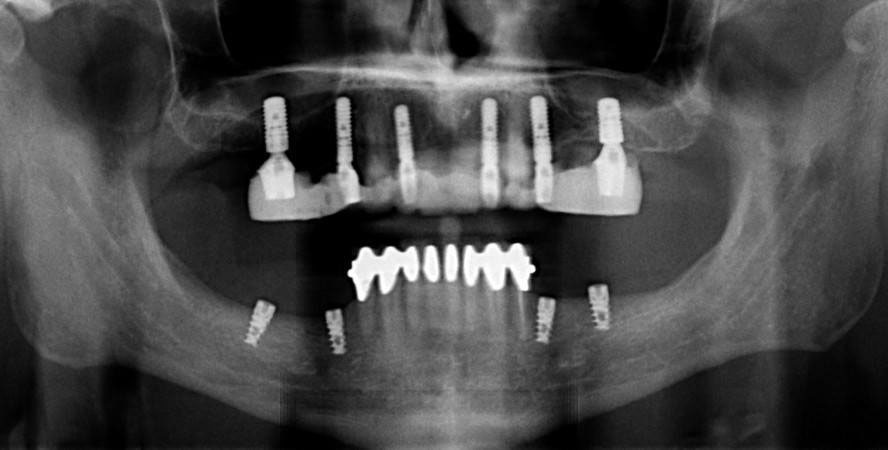
A full arch of 12 teeth supported by just four implants -- two straight in the front and two tilted 30-45° in the back to use the best available bone. Developed by Paulo Malò in the 1990s, the All-on-4 usually avoids the need for bone grafting even in severe resorption cases. Temporary teeth are attached the same day; the final prosthesis is fitted 3-6 months later.
Price in Geneva: CHF 12,000-22,000 per arch | Treatment time: 1 day (temporary) + 3-6 months | Best for: Full upper or lower arch with severe tooth loss
4. All-on-6 / All-on-8
Six or eight implants distributed across the arch for maximum stability. Preferred over All-on-4 when the patient has sufficient bone, a strong bite force, or wants extra security. The prosthesis can also be segmented into smaller bridges that are easier to repair if one section fails.
Price in Geneva: CHF 15,000-28,000 per arch | Treatment time: 3-6 months | Best for: Patients with good bone and higher bite forces
5. Mini Dental Implants
Narrow-diameter implants (less than 3 mm) typically used to stabilise a lower denture. They require much less bone, cost less, and can be placed in a single appointment with only local anesthesia. Not recommended as a permanent solution for crowns or bridges on molars.
Price in Geneva: CHF 800-1,500 per implant | Treatment time: 1 day | Best for: Denture stabilisation, patients with limited bone
The Implant Procedure: Step-by-Step
A dental implant is not a single appointment. It is a structured medical protocol spread over 3-6 months, with 4-6 visits to the specialist. Here is what actually happens at each stage in a well-run Geneva clinic.
Consultation and 3D Planning
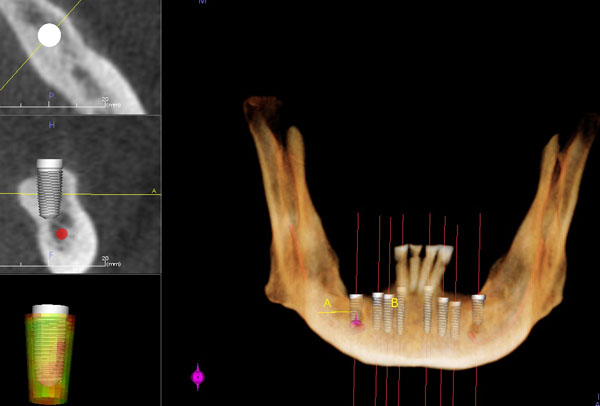
Full examination, medical history, panoramic X-ray, and a cone-beam CT scan (CBCT) which produces a 3D model of your jaw, nerves, and sinuses. The specialist uses planning software to decide the exact implant position, angle, length and diameter. Expect to receive a written treatment plan and quote within 3-5 days. In Geneva, the initial consultation typically costs CHF 150-300 (often refunded if you proceed).
Pre-Surgery Preparation
Any active infection or periodontitis must be treated first. If you still have the damaged tooth, it may be extracted. If bone grafting is needed, it is usually done now and you wait 3-6 months before the implant is placed. In some cases ("immediate placement") the implant can go in the same day as the extraction.
Implant Placement
Performed under local anesthesia in a surgical room. Many Geneva clinics also offer oral sedation or IV sedation for anxious patients (adds CHF 200-500). The specialist:
- •Makes a small incision in the gum and lifts a flap to expose the bone.
- •Drills a pilot hole, then progressively wider drills to the exact diameter of the implant, irrigating constantly with saline to avoid overheating the bone.
- •Screws the titanium implant into the bone at 30-45 Newton-centimetres of torque (measured to ensure primary stability).
- •Places a cover screw or healing abutment and sutures the gum closed.
The whole surgery is surprisingly painless -- most patients report it feels easier than a tooth extraction. You walk out the same day with prescriptions for antibiotics and painkillers.
Healing and Osseointegration
This is the crucial waiting period. The implant needs to biologically fuse with the surrounding bone. During this phase you may wear a temporary tooth (for front teeth) or simply leave the site covered. Stitches come out at 7-14 days. Follow-up visit around week 4, then again at week 8-12.
Abutment and Impression
Once osseointegration is confirmed (usually by a measurement called ISQ, implant stability quotient), the specialist attaches the abutment and takes a digital or physical impression. The impression is sent to a dental lab, which custom-makes your crown over 2-4 weeks.
Final Crown Fitting
The crown is screwed or cemented onto the abutment. Bite is adjusted, polished, and you are finished. From this point on, the implant looks and functions exactly like a natural tooth. Most clinics schedule a follow-up at 3 months and then annual check-ups.
Osseointegration: The Biology That Makes It Work
Osseointegration is the reason dental implants exist. It is the process by which living bone grows directly onto a titanium surface with no soft tissue layer in between -- something that happens with almost no other material. Brånemark coined the term in 1976 and defined it as "a direct structural and functional connection between ordered, living bone, and the surface of a load-carrying implant".
Why does it work? Titanium naturally forms a passive oxide layer on its surface when exposed to air. This oxide is biologically inert and does not trigger an immune response, but it does attract certain blood proteins that signal bone-forming cells (osteoblasts) to come and deposit new bone directly onto the surface. Modern implant surfaces are sandblasted, acid-etched or laser-treated to increase the surface area and speed up this process.
| Timeline | What happens biologically |
|---|---|
| Day 0 (surgery) | Blood clot forms around the implant, proteins attach to titanium surface |
| Day 1-7 | Initial inflammation resolves, early bone cells migrate to the surface |
| Week 1-4 | Woven bone (immature) is deposited directly onto the titanium |
| Week 4-12 | Remodeling into lamellar (mature) bone, mechanical stability increases |
| Month 3 (lower jaw) | Usually safe to load with a crown in the mandible |
| Month 6 (upper jaw) | Maxilla heals more slowly due to softer bone, usually loaded at 4-6 months |
| Year 1+ | Continuous remodeling, the bone around the implant adapts to the chewing load |
This is why you cannot rush an implant: if you load it too early, micro-movements disrupt the bone formation and the implant fails. It is also why smoking, uncontrolled diabetes, or certain medications (like bisphosphonates used for osteoporosis) can jeopardize success: they all interfere with bone healing at the cellular level.
Real Costs in Geneva (CHF, 2026)
Geneva is one of the most expensive dental markets in the world. Labour costs, premium materials, and Switzerland's high standard of care all push prices above those in neighbouring France, Italy, or Hungary. However, price differences between clinics in Geneva itself can reach 30-40% for identical treatment, so it is always worth comparing at least three quotes.
| Treatment | Low-end Geneva | Premium Geneva |
|---|---|---|
| Initial consultation + CBCT | CHF 150 | CHF 350 |
| Single implant fixture only | CHF 1,500 | CHF 2,800 |
| Abutment | CHF 300 | CHF 700 |
| Porcelain/zirconia crown | CHF 900 | CHF 2,000 |
| Single implant (all-inclusive) | CHF 2,800 | CHF 4,900 |
| Sinus lift (bone graft) | CHF 1,500 | CHF 3,500 |
| Block bone graft | CHF 2,000 | CHF 5,000 |
| All-on-4 (per arch, temp acrylic) | CHF 12,000 | CHF 18,000 |
| All-on-4 (per arch, final zirconia) | CHF 16,000 | CHF 24,000 |
| All-on-6 (per arch) | CHF 15,000 | CHF 28,000 |
| Mini implant (per unit) | CHF 800 | CHF 1,500 |
| IV sedation supplement | CHF 200 | CHF 500 |
Why the big range?Premium pricing reflects things that are hard to see on an invoice: the specialist's training and experience (a university-qualified implantologist vs a general dentist), the implant brand (Straumann costs roughly CHF 500-1,500 more than economy brands per implant), the dental lab producing the crown, and the overhead of the clinic itself (a downtown Geneva clinic with CBCT, digital scanners and in-house sedation costs more to run than a basic practice).
Payment plans in Geneva: most clinics offer installment plans from CHF 150-250 per month, typically through Swiss medical finance providers like Lica or Cashare. Interest rates range from 0% (short-term, 6-12 months) to 6-8% (24-60 months). Always read the contract: some plans add administrative fees that can bring the total cost up 10-15%.
At Dental Implants Geneva we help patients compare quotes across multiple Geneva clinics. Many patients save CHF 800-2,000 on a single implant just by knowing what to ask for and who to compare.
Success Rates, Risks, and Peri-Implantitis
Dental implants are one of the most successful procedures in modern medicine. A large 10-year study on 4,591 Straumann implants reported a 98.2% survival rate. An independent study by the Swedish Social Insurance Agency, covering 2,765 patients and 3,311 implants over 9 years, confirmed Straumann as having the lowest failure rate among major brands. Long-term data at 12-23 years still shows survival above 88%.
| Patient profile | 10-year survival |
|---|---|
| Healthy non-smoker, good oral hygiene | 97-98% |
| Controlled diabetic (HbA1c < 7) | 94-96% |
| Light smoker (< 10/day) | 89-92% |
| Heavy smoker (> 20/day) | 80-85% |
| History of severe periodontitis | 85-90% |
| Uncontrolled diabetes or active chemotherapy | Implants usually postponed |
Peri-Implantitis: The Main Long-Term Risk
Peri-implantitis is the implant equivalent of gum disease: a bacterial infection around an implant that causes the surrounding bone to slowly resorb. A recent systematic review reports a prevalence of around 22% of implants over time, with studies ranging from 1% to 47% depending on methodology. In long-term Straumann data, peri-implantitis was diagnosed in 9.7% of implants still in place after 12-23 years.
Early signs include bleeding when brushing around the implant, gum redness and swelling, or a pocket forming around the crown. Unlike natural teeth, peri-implantitis is much harder to treat once bone loss starts, because implant surfaces are rough and retain bacterial biofilms that regular scaling cannot fully remove. Prevention is everything.
Other Risks and Complications
- •Early failure (first 3 months): 1-2% of implants fail to osseointegrate. The implant is simply removed and usually replaced 2-3 months later, often at no additional cost under warranty.
- •Nerve injury: placing a lower jaw implant too close to the mandibular nerve can cause temporary or (rarely) permanent numbness of the lip and chin. Proper CBCT planning reduces this risk to near zero.
- •Sinus perforation: in upper jaw molar sites, the implant can breach the maxillary sinus. Usually managed with a simple sinus lift and antibiotics.
- •Mechanical complications: screw loosening (2-5%), abutment fracture (<1%), crown chipping (5-10% over 10 years). These are usually repairable.
- •Aesthetic complications: gum recession around the crown, showing the grey metal underneath. More common with thin gingival biotypes; one reason to consider zirconia in the front teeth.
When You Need a Bone Graft
For an implant to succeed, it needs to be surrounded by at least 1 mm of bone on every side. When a tooth is lost, the bone that once held it begins to shrink immediately -- studies show up to 40-60% of bone volume is lost in the first 6 months after extraction. The longer you wait, the more likely you will need a graft.
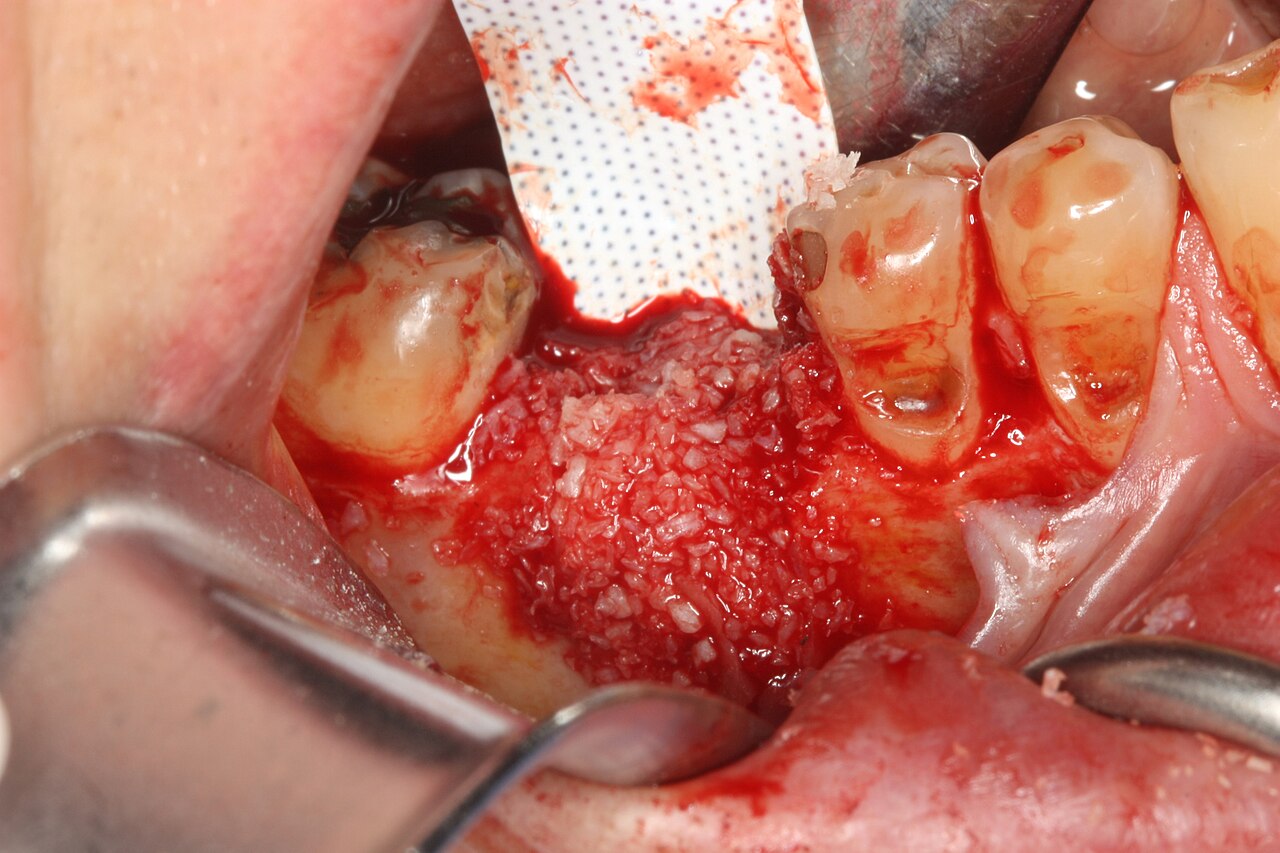
There are four main types of graft used in Geneva clinics:
- •Socket preservation: graft placed immediately after extraction to stop bone resorption. The simplest case. CHF 300-800.
- •Guided bone regeneration (GBR): granulated bone substitute + collagen membrane placed over an area of thin bone. Healing 4-6 months. CHF 800-2,000.
- •Sinus lift (lateral or crestal): the floor of the maxillary sinus is gently raised and filled with graft material, creating space for upper molar implants. Healing 4-9 months. CHF 1,500-3,500.
- •Block graft: a small block of bone is harvested (from the chin or the ramus of the lower jaw) and screwed into place. The most invasive option, reserved for severe atrophy. CHF 2,000-5,000.
Graft materials come in four categories: autograft (your own bone, gold standard but requires a second surgical site), allograft (human donor bone, processed and sterile), xenograft (bovine or porcine bone, the most common in Swiss clinics -- brands like Bio-Oss), and alloplast (synthetic calcium phosphate). Most Geneva specialists prefer xenograft for its predictability and avoiding a second surgical site.
Who Should Not Get Dental Implants?
Dental implants work for the vast majority of adults, but not everyone is a good candidate. A responsible specialist in Geneva will tell you clearly if your case has increased risk. Here are the main medical and lifestyle contraindications.
Absolute contraindications
- •Recent head/neck radiotherapy (< 1 year)
- •Active IV bisphosphonate treatment
- •Uncontrolled severe systemic disease
- •Age < 18 (jaw still growing)
- •Severe uncontrolled diabetes (HbA1c > 10)
Relative contraindications
- •Smoking > 10 cigarettes/day (stop 4+ weeks before)
- •Active periodontitis (treat first)
- •Severe bruxism (nightguard required)
- •Oral bisphosphonates > 3 years
- •Severe bone atrophy (may need extensive grafting)
The good news: almost all relative contraindications can be managed. Smokers can quit for a few weeks around surgery, diabetics can get their HbA1c under control, and periodontitis can be treated first. Even patients on bisphosphonates can often receive implants after consultation with their physician. Always disclose your full medical history and current medications -- implant failure due to undisclosed medication is surprisingly common and completely avoidable.
Recovery and Long-Term Maintenance
Most patients are surprised at how quickly they recover. The difficult part of implant treatment is usually the decision to do it, not the healing. Here is what to expect week by week.
| Phase | What to expect |
|---|---|
| Day 0-1 | Local anesthesia wears off, mild discomfort, slight bleeding. Ice packs every 20 min. |
| Day 2-3 | Swelling peaks, soft food only (soup, yogurt, smoothies). Take time off work if possible. |
| Day 4-7 | Swelling fades, pain under control with paracetamol/ibuprofen. Rinse with chlorhexidine mouthwash twice daily. |
| Day 7-14 | Stitches removed, back to normal eating with caution. No hard or crunchy foods at the implant site. |
| Week 2-12 | No pain at all. Osseointegration happens silently. Brush normally, floss carefully around the area. |
| Month 3+ | Crown is placed. Implant feels like a normal tooth. Routine cleaning resumes. |
Long-Term Maintenance
Implants do not get cavities -- but the bone and gum around them can still get sick. Long-term success depends entirely on keeping the tissues healthy. The routine is simple but non-negotiable:
- •Daily: brush twice with a soft toothbrush, use interdental brushes (not just floss) under the crown, water flosser for harder-to-reach areas.
- •Every 6 months: professional cleaning with plastic or titanium-safe instruments (regular steel scalers can damage the implant surface).
- •Once a year: a dental implant check-up including X-ray (either intraoral or panoramic), measurement of pocket depths around the implant, and stability test.
- •Stop smoking. If you cannot stop completely, at least never smoke in the week after surgery. Smoking more than doubles the implant failure rate.
- •Nightguard if you grind: bruxism transmits crushing forces to the implant. A custom nightguard (CHF 400-800) protects both the implant and your other teeth.
With this routine, the implant itself should outlast you. The crown typically needs replacement every 10-20 years, costing CHF 900-2,000.
Swiss Insurance: What LAMal Does (and Does Not) Cover
Here is the hard truth most Geneva residents already know: Swiss basic health insurance (LAMal) does not cover dental implants in almost any normal situation. Dental care is one of the few areas excluded from the otherwise universal Swiss insurance system.
LAMal only pays for dental treatment in three narrow categories (Art. 17-19 KLV):
- 1.Accidents: if your tooth was lost in a documented accident (fall, car crash, sports injury), LAMal will cover the implant as a reconstructive measure -- provided the accident is notified within the legal time limit.
- 2.Serious non-preventable illness of the masticatory system: tumors, cysts, severe bone diseases, jaw fractures from osteoporosis. Rare, but some Geneva patients qualify.
- 3.Treatment of another general illness: e.g. severe infections secondary to heart valve disease, leukaemia, or certain autoimmune conditions.
Supplementary Dental Insurance
For everything else, you need private complementary dental insurance (assurance complémentaire dentaire). Most Swiss providers offer it as an add-on: Helsana, Swica, CSS, Groupe Mutuel, Sanitas, and others. Typical coverage:
| Plan level | Monthly premium | Annual cap | Coverage % |
|---|---|---|---|
| Basic | CHF 15-25 | CHF 1,000 | 50% |
| Standard | CHF 30-50 | CHF 2,500 | 50-75% |
| Premium | CHF 60-90 | CHF 5,000+ | 75% |
The catch: supplementary dental insurance requires a health questionnaire and usually a waiting period of 6-24 months before implant treatment is covered. You cannot sign up the day after your tooth breaks. Pre-existing conditions (missing teeth at the time of signing) are excluded.
Tax deduction: if your out-of-pocket medical and dental costs exceed 5% of your net income (in the canton of Geneva), the excess can be deducted from your federal and cantonal tax return. Keep every receipt. For a Geneva resident on an average salary, a CHF 15,000 implant treatment can translate into CHF 1,500-3,000 in tax savings.
How to Choose the Right Specialist in Geneva
Any Swiss dentist is legally allowed to place dental implants -- but not all of them should. Implantology requires specialist training beyond dental school, and the difference in outcomes between an experienced implantologist and an occasional practitioner is enormous. Here is what to look for.
1. Verify Credentials
In Switzerland, look for practitioners with the title SSO (Société Suisse des Médecins-Dentistes), plus one of these specialist qualifications:
- •SSOS -- Swiss Society of Oral Surgery (dentists who have completed a 3+ year specialisation in surgery).
- •SSP -- Swiss Society of Periodontology (specialists in gum and bone who often handle implant cases).
- •SSRD -- Swiss Society of Reconstructive Dentistry (prosthetic side of implantology).
- •ITI Fellow / EAO member -- international implant organisations with strict peer-reviewed training requirements.
2. Questions to Ask at the Consultation
- •"How many implants do you place per year?" (Look for 100+ annually.)
- •"Which brand do you use, and why?" (Straumann, Nobel Biocare, Astra Tech = premium. Be cautious with unnamed brands.)
- •"Do you use a CBCT scan for planning?" (Should always be yes.)
- •"What is your warranty on the implant?" (Reputable clinics offer 5-10 years on the implant fixture, 2-5 years on the crown.)
- •"Can I see before-and-after cases you have treated?"
- •"Is sedation available for the surgery?"
- •"What happens if the implant fails? Who pays?"
3. Red Flags to Avoid
- •Prices far below market. A CHF 1,500 all-inclusive implant in central Geneva almost certainly uses an unknown economy brand, a cheap lab, or skips bone grafting where it is needed.
- •No CBCT scan offered. A 2D panoramic X-ray is not enough to plan implants safely.
- •Pressure tactics. Discounts that expire today, "only this week" offers, or urgency to sign immediately.
- •Vague treatment plans. A proper plan shows exact implant position, brand, number of visits, timeline, and itemised cost.
- •Implant tourism packages without long-term follow-up in Geneva. If something goes wrong two years later, who fixes it?
4. Always Get at Least 2-3 Quotes
Geneva has over 200 dental clinics offering implants. Price differences for identical treatment can be CHF 1,000-3,000 on a single implant, and up to CHF 8,000 on a full-arch case. A second opinion is always worth the effort. This is the main reason we built Dental Implants Geneva: to match patients with vetted Geneva specialists, request comparable quotes, and remove the guesswork from the process.
Frequently Asked Questions
How much does a single dental implant cost in Geneva?
Between CHF 2,800 and CHF 4,900 all-inclusive (fixture + abutment + crown) in 2026. Low end clinics with economy brands can go to CHF 2,500. Premium specialists using Straumann or Nobel Biocare with porcelain/zirconia crowns are closer to CHF 4,500-4,900. If a bone graft is needed, add CHF 800-3,500. Price differences between Geneva clinics for identical treatment can be 30-40%.
Are dental implants covered by Swiss basic insurance (LAMal)?
No, except for documented accidents or serious illnesses of the masticatory system. For normal tooth loss, implants must be paid out of pocket or covered by supplementary dental insurance, which reimburses 50-75% up to an annual cap. Supplementary insurance requires a waiting period of 6-24 months and excludes pre-existing missing teeth.
How long does the full implant procedure take?
Standard timeline is 3-6 months from first consultation to final crown. Lower jaw implants usually heal in 3 months; upper jaw in 4-6 months. Same-day teeth or All-on-4 can place temporary teeth on the surgery day, but the final prosthesis still requires 3-6 months of osseointegration. Full treatment typically requires 4-6 clinic visits.
Is getting a dental implant painful?
The surgery is done under local anesthesia and is usually less painful than a tooth extraction. You feel pressure and vibrations but no sharp pain. The first 2-3 days afterwards involve mild to moderate discomfort controlled with paracetamol or ibuprofen. Severe pain is abnormal and should be reported immediately. Most patients return to work within 1-3 days.
What is the success rate of dental implants?
For healthy non-smokers: 95-98% at 10 years. Straumann (Swiss market leader) reports 98.2% in a 10-year study of 4,591 implants. Long-term data at 12-23 years shows survival above 88%. Success drops with smoking, uncontrolled diabetes, severe periodontitis, and poor oral hygiene. Peri-implantitis (inflammation around the implant) affects 10-22% of implants over time.
Can I get dental implants if I have bone loss?
Yes, in most cases. Modern bone grafting techniques (socket preservation, GBR, sinus lift, block graft) can rebuild enough bone for almost any situation. Bone grafts in Geneva cost CHF 800-3,500. The All-on-4 technique often avoids grafting altogether by using angled implants in remaining natural bone. Only extremely severe bone atrophy combined with systemic disease rules out implants entirely.
How long do dental implants last?
The titanium implant itself can last a lifetime -- long-term studies show 88%+ survival at 20+ years. The crown on top typically lasts 10-20 years before needing replacement due to normal wear. Abutment screws and connections may need occasional tightening. With proper hygiene, twice-yearly cleanings, and no smoking, implants routinely last 25-30+ years.
What is the difference between Straumann and cheaper implant brands?
Straumann is the Swiss market leader, based in Basel, and the most clinically documented implant in the world. Independent studies show it has the lowest failure rate among major brands. Straumann implants cost CHF 500-1,500 more per unit than economy brands but come with a lifetime fixture warranty. For front teeth, complex cases, or patients with medical risk factors, premium brands (Straumann, Nobel Biocare, Astra Tech) are strongly recommended. Economy brands are acceptable for back teeth in low-risk patients.
Ready to Get Your Implant Quote in Geneva?
Free consultation with a vetted Geneva implant specialist. Compare real quotes from 3+ clinics. No obligation. Save up to CHF 2,000 on treatment.